Does Anyone Know the Real Cost of Health?

We’re spending a lot of time talking about the cost of healthcare these days, so I was a bit shocked yesterday when I received a bill for my wife’s emergency room treatment at St. Luke’s Hospital in Meridian back in November of 2016.

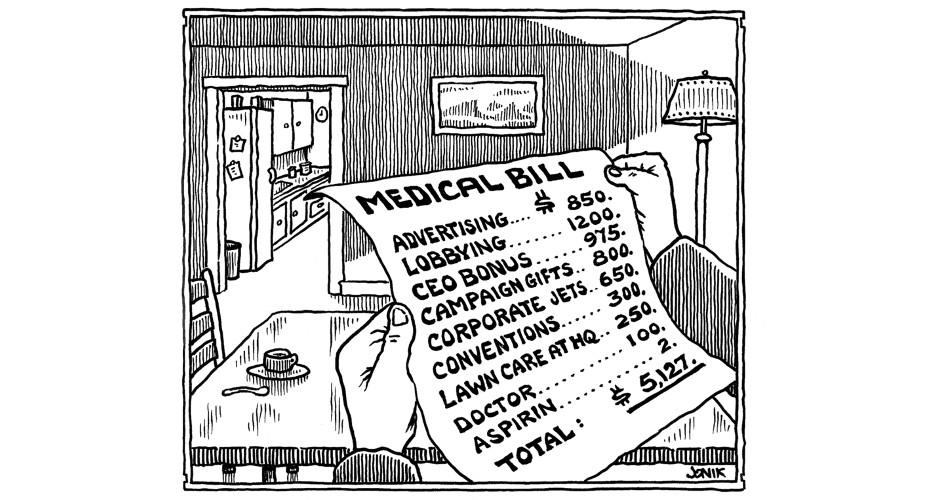
This is where much of our problem lies—in the transparency of costs. St. Luke’s price for services totaled $3,449, the cost my insurance approved was $555. My insurance paid $480 and my share was $75. The bill was from 11/29/16, my wife passed away 12/8/16, and it took 7 months to get a bill out to me. Why?

David Pate, the head of St. Luke’s Hospital, wrote an opinion article in the Statesman on Transparency on July 7th. He states he is in favor of more transparency in the healthcare debate, yet if you try to get a price for a particular procedure offered by St Luke’s, it is just about impossible to find any transparency at all. He questions “is there anyone in the country who isn’t in favor of making Healthcare more affordable?”; yet his organization doesn’t appear to want patients to know what it will cost to fix a problem in the facility he runs. He says it would be refreshing if someone told the truth about healthcare costs. Well, how about starting with Mr. Pate and the cost of services at St. Luke’s. He needs to stop being such a hypocrite because as the saying goes, people who live in glass houses shouldn’t throw stones.

Mr. Pate needs to clean up his own backyard before pontificating about someone else’s. I challenge anyone to try to get a handle on what a particular procedure will cost at his facility and come away with a real price. This is where the transparency starts, but evidently not for him or the organization he runs because St. Luke’s is about as transparent as a black hole. At least St Al’s posts a huge list of the costs of various procedures on their website. So David, if you happen to read this, you need to take your own advice and give the people of Idaho a list of the costs for procedures that is fully transparent in your facility, instead of letting them be surprised 3 to 6 months later when they get the bill.

If the prices for procedures were actually listed and people had to pay out of their own pockets, no one would ever go to the hospital if they could possibly avoid it. The problem lies in the fact that there is no transparency and—because most of the time someone else is picking up the bill—many people neither know nor care about the actual prices of the services they receive. It’s time we required hospitals and doctors to post a list of the costs for services to give patients a proper perspective of how much they would have to pay if they had to open their own wallets.

When it comes right down to it, if we don’t demand this cost transparency, we deserve to pay higher prices for our healthcare. It’s time to fix this problem but we need to get to the root cause and not just fix the symptoms. In 2014, Mr. Pate’s compensation totaled over $1 million, and we are reasonably sure that since then his salary has not decreased substantially and in fact has probably risen. St. Luke’s Hospital is a non-profit organization, so I ask you, where does the real problem begin in the cost of health care? Does it lie in the legislative process or at the inception of medical costs with the facilitator or physician? I submit that both are equally responsible for the escalation of prices for healthcare because the person receiving the care never knows what the actual cost is for services they are provided. Next time you have to visit the doctor or hospital, before anything else, ask them where the price list is for the services they will render to patients.

“We Get the Healthcare We Deserve”
Staying Focused!

Are you finding yourself late for meetings, unable to stay focused, bored easily, forgetful, fidgety, and not realizing your full potential? Perhaps you have been told you have an attention deficit? What can we do to alleviate these troublesome symptoms? The answer lies in the perspective that you take.

In my practice over the past 35 years, people have asked me how they can stay more focused. Being present and attentive is very difficult unless we are able to calm our minds. Having taught meditation and Tai Chi for many years, I begin by recommending strategies for becoming more mindful. What we have learned is that being easily distracted is not our fault. We are at the mercy of our brain chemistry through no fault of our own. Being a holistic practitioner, I am interested in alleviating the root cause of people’s struggles, not just treating symptoms.

It is now well established that ADHD is a genetic, neurological, nutritional, and environmental disorder resulting in an imbalanced brain that triggers imbalanced behavior. High dopamine levels and imbalanced norepinephrine levels can cause mental, emotional, and behavioral challenges.

Dr. Daniel Amen of Newport Beach, California, the ADHD (Attention Deficit Hyperactivity Disorder) guru believes there are seven different types of attention deficit. Different parts of the brain are affected in each unique subtype. Therefore, depending upon the type of ADHD we have, will dictate the treatment that is likely to be most successful.

So if we are at the mercy of our brain chemistry, how do we change it? By exercise, diet, nutrition, and supplements. It is possible to balance our brain waves. One very simple strategy is by taking omega-3 fatty acids, which reinforce the structure of brain cells. Often times attention issues are a result of a magnesium deficiency. Magnesium nourishes the nerves that improves focus, reduces irritability, anxiety, and sleep problems. Also, many of us have a sensitivity to dairy products and by avoiding casein (ingredient) in milk, we are quickly restored to better attention.

One of the questions that I wonder about when doing an assessment for attention issues is ‘does this person have an imbalance of the minerals copper and zinc, upsetting dopamine metabolism and triggering symptoms? Or is the excess of dopamine in the brain caused by intestinal bacteria causing hyperactivity and impulsivity?’  Even food sensitivities or food allergies can trigger symptoms of ADHD.

By supplementing diets with magnesium and vitamin B6 that helps cells utilize magnesium, I have seen a reduction of symptoms. I also have found that taking Pycnogenol (pine bark extract) balances neurotransmitters as well. Supplementing diet with neurotransmitter precursors such a tyrosine, B-vitamins, tryptophan, and folate (depending upon symptoms) has been shown to be beneficial in reducing symptoms. Additionally, Vitamin D, a neurotransmitter precursor that helps create serotonin, is known to increase executive functioning. There are other powerful precursors that can help support a calm and stable mind.

Sometimes ADHD symptoms are caused by brain inflammation. Curcumin, an extract of turmeric has been shown to decrease neuroinflammation and balances neurotransmitters. Often times symptoms are a result of digestive or intestinal issues. Digestive issues are very common with people who have ADHD. Symptoms of abdominal pain, bloating, constipation or diarrhea are a strong indicator of Clostridia overgrowth. Taking pro-biotics and treating bacteria that may have overwhelmed the gut such as Clostridia will significantly reduce negative behaviors.

So if you, or someone you know, are diagnosed with an attention deficit disorder, remember that they did not choose to have an imbalanced brain. We must be more compassionate and understanding. We also need to seek out healthy ways to reduce the impact that these characteristics have on our lives. I encourage you to do your own research, and consult a practitioner that is knowledgeable in diagnosing and treating the root cause of your symptoms.

DISCLAIMER:

The information and statements contained herein have not been evaluated by the FDA and are not intended to diagnose, treat, cure, or prevent any illness. The contents of this publication are for informational purposes only and are not intended to be a substitute for medical advice, diagnosis, or treatment. Never disregard professional medical advice or delay seeking treatment due to information contained herein. You should take no action solely on the basis of this publication’s contents. Any action you take on the basis of the information provided is solely at your own risk and expense. Although the author has made every effort to ensure the accuracy and completeness of the information contained in this article, we assume no responsibilities for errors, omissions, inaccuracies, or any inconsistency herein.

Medical Marijuana Saves Lives and Money

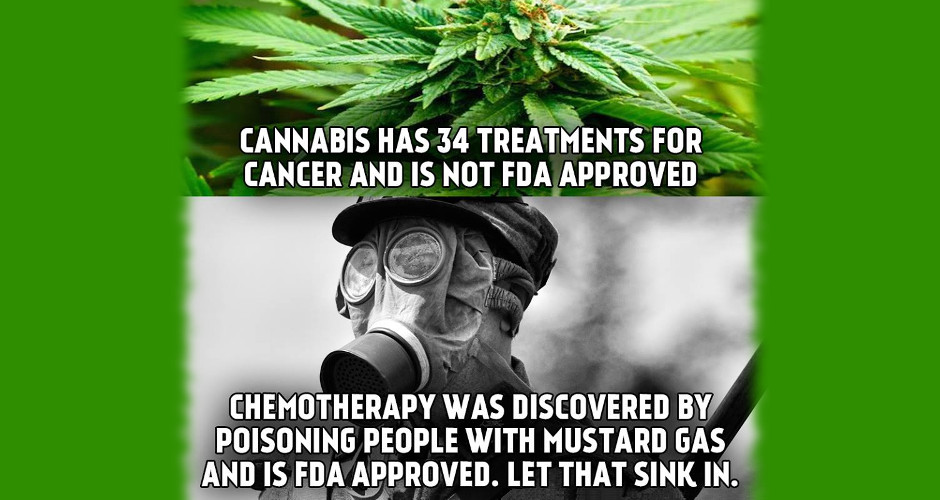
Legalization of medical marijuana use has been fought by Big Pharma for years because it cuts into their profits. You only have to look at the campaign contributions to state and federal legislators to see how much influence they have in decisions made by government.

Recent studies show that painkiller abuse particularly opioids overdoses are lower in states with medical marijuana laws. These studies were validated by researchers at the University of Georgia who have linked the use of medical marijuana to falling doses of prescription drugs.

They found in the 17 states with a medical marijuana law in place by 2013, prescriptions for painkillers and other classes of drugs fell sharply compared to states that did not have a medical-marijuana law. The typical physician in a medical-marijuana state prescribed 1,826 fewer doses of painkillers in a given year.

The rapidly decreasing numbers for painkiller prescriptions in medical marijuana states are causing great concern among pharmaceutical companies. These companies have long been in opposition to marijuana reform for decades. This is a follow the money argument.

The reason medical marijuana causes concern for Big Pharma is they realize that the use of medical marijuana will severely cut into their profits. The Department of Health and Human Services found that about $165 million was saved in the 17 medical marijuana states in 2013 alone and it’s estimated that annual Medicare prescriptions savings would be over half a billion dollars if all 50 states would implement similar programs. We talk about rising medical costs but we can’t see the forest for the trees. Big Pharma is one of the primary causes of rising medical costs and higher insurance premiums.

The real problem in this country are the lobbyists and Big Pharma has more lobbyists and spends more money on lobbying than every other industry. They fight anything that might cut into their profits. Think about the fact that drug companies now spend over $5 billion a year on advertising. These companies have long been at the forefront of opposition to marijuana reform, funding research by anti-pot academics and funneling dollars to groups, such as the Community Anti-Drug Coalitions of America, that oppose marijuana legalization. More often than not Big Pharma is the problem, not the solution.

Get Government out of Healthcare and ‘Put the People Back in Charge’

The solution to fixing healthcare in America is not going to be solved by having insurance companies cross state lines because even if we did allow them to cross, what assurance is there that costs would come down and choices would increase? You would also have to standardize rules across the board so that rules in each state were the same. Good luck with that. Remember that insurance companies are in business to make money not to serve the people.

If you want to reform healthcare put the money and the decisions back into the hands of the individuals thru health savings accounts with high limits. Take the middleman out of the equation for everyday medical events and let insurance companies provide catastrophic insurance. We already know that paying cash for medical services can be negotiated down to very low levels because there is no middleman or paperwork involved.

The appealing part of HSA’s is that they encourage individuals to stay healthy and to be cost-conscious. We should also incentivize HSA’s’s so that money that is not used to pay medical expenses would yours to keep with the exception that any money taken from your HSA account that is not used to pay medical expenses is taxed when withdrawn. The theory is therefore that consumers will be more cautious when spending their own money compared to spending money indirectly through their employer-provided insurance or their private health insurance provider. According to a national health insurance broker, they found that 45% of individuals purchasing an HSA-qualified high deductible plan earned less than $50,000 a year which helps the middle class save and have choice in their healthcare at the same time. The government needs to get out of the healthcare business except for the truly indigent.

Healthcare is always thought of in terms of sickness when we should really be thinking in terms of wellness. It is a lot cheaper to keep people healthy than to care for them when they get sick. The problem is we incentivize people to not worry about getting sick by having third parties like employers and government sponsored programs pay the bill. This will only continue to escalate costs at the discretion of the provider as there is no incentive to control the spending. When the government is involved and imposes cost controls on how much they will pay doctors all it does is force doctors to drop out of the government controlled programs making it more difficult for patients to find services. However, if the decisions are in the hands of the patients the third parties are taken out of the equation and costs will come down. When the individual is in charge we will get back to a free market.

To provide for catastrophic healthcare needs you can form healthcare purchasing co-operatives. They can secure health insurance coverage for the entire group at substantial savings because there is less risk for the insurance company when they insure larger groups as the risk is spread out. The solutions are not that difficult but you have the insurance companies, Big Pharma and the medical associations who like the sickness scenario instead of the wellness scenario because it is more profitable. They also like third party payers as it is easier for them to justify higher prices.

Let’s get the government out of the healthcare business that it was never supposed to be in. Look back to 1965 which was the inception of government involvement with the advent of Medicare and Medicaid which increased demand while restricting the supply of doctors and hospitals. Healthcare prices jumped to twice the rate of inflation and we repeated that mistake with Obamacare. Why is it that we never learn from our mistakes and continue to do the same things over and over again? The reason is that the lobbyists for the insurance companies, medical associations and Big Pharma don’t really want to change the system, they would prefer to keep everything status quo so the profits keep rolling in.

The U.S. is estimated to face a shortage of 90,000 doctors by the year 2025.

We still haven’t solved the problem of enough primary care physicians but with the growth of our aging population, it is predicted we will also have a real shortage in surgeons. This is another reason that we should be pushing for more integrative care. We should be using the talents of physicians who practice complementary and alternative medicine which has proven very effective in controlling chronic diseases such as autoimmune diseases which are accounting for more of our medical costs each year. In 2001, NIH National Institutes of Allergy and Infectious Diseases (NIAID) Director Dr. Anthony Fauci estimated that annual autoimmune disease treatment costs were greater than $100 billion. This does not include the cost to employers for lost time at work. If it cost $100 billion in 2001, can you imagine how much it would cost in today’s dollars?

(What is INTEGRATIVE MEDICINE? –IM often referred to as Complementary and Alternative Medicine (CAM) is defined as healing-oriented medicine that takes into account the whole person, including all aspects of lifestyle. It emphasizes the therapeutic relationship between practitioner and patient, is informed by evidence, and makes use of all appropriate therapies conventional and complementary/alternative.)

We need to allow more health freedom by giving patients freedom of choice in what type of doctor or treatment they want to receive and that can only happen if they have the ability to control payment for services. The decisions for a person’s healthcare should be in their hands not in the hands of some government bureaucracy with 20,000 pages of regulations or an insurance company that is only worried about profits. We also need to start judging and paying physicians of all types for the outcomes they produce for their patients. This would provide the incentive needed to put the patient’s health first and put them in the hands of those best qualified to treat them to get positive outcomes.

Medicine/healthcare has become big business in this country. Treating patients for cancer alone is estimated to reach $175 billion by 2020 but the problem is that outcomes from traditional treatments with chemo, radiation, and surgery have barely improved in the 41 years since the war on cancer began. Costs keep soaring but results don’t come close to keeping pace. We need to try a different way of practicing medicine that is not under the control of the AMA or the FDA. We need to change our thinking and give integrative medicine an opportunity to help solve the current crisis and the larger one expected down the road.

Wellness programs are the real key to reducing healthcare costs, just ask any of the large corporations who have instituted these programs in their companies. The successes are formidable in that the number of hours that employees take off because of illness have been reduced so significantly that it has more than paid for the cost of their wellness programs. As a testament to this success, we see wellness companies growing at over 8% a year. We even find the Medicaid advantage policies offered to seniors are now including gym memberships at a nominal cost. This encourages older people to exercise on a regular basis and improves their overall health.

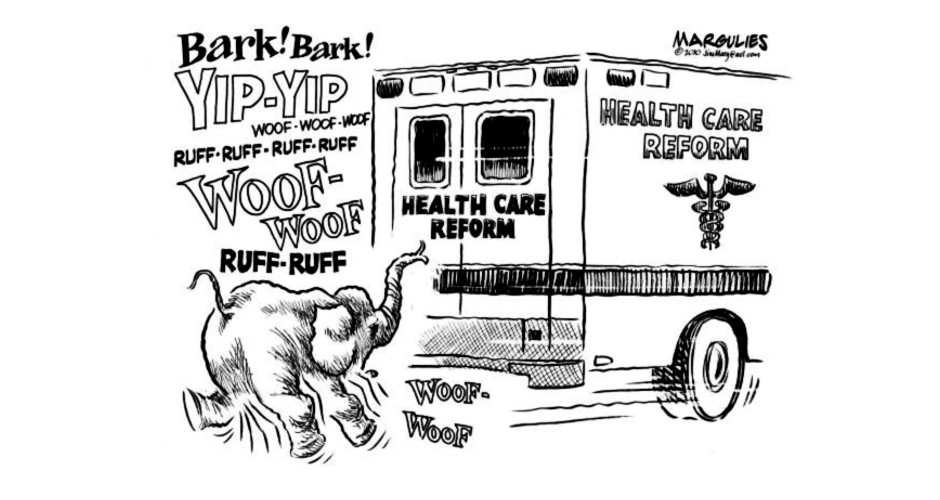
If we’re going to reform our healthcare system lets think out of the box for a change and start by putting the patient back in charge of healthcare decisions instead of a third party. Not only will we see costs come down but we will find better outcomes in this process.

Healthcare Starts with the Individual, not in the Legislature

Solving our healthcare problem is not going to happen in one fell swoop as the problem did not just start with Obamacare; it has been festering a long time and part of the problem is thinking that everyone is entitled to have healthcare. We just proved with Obamacare that this will eventually bankrupt the country. Everyone thinks that free market interstate insurance will solve the problem. Think for a moment about why most of the credit card companies are located in three states. It’s because they can charge pretty much whatever interest rates they want because those states have no caps on usury laws. Now everyone can get a credit card but those with poor credit will pay more and have lower credit limits.

Credit cards are not the same as health insurance but they are similar in some ways. Instead of usury limits on credit cards, insurance companies face state-mandated benefits raising their costs and therefore premiums. So if insurers sell coverage across state lines people can bypass mandates and go where insurers suit their needs. This sounds great but insurers will likely do the same as the banks and set up in the states that let them do what they want and that is to insure just healthy people. The result will be the same as Obamacare with separated risk pools, young healthy people will buy stripped down insurance where it’s allowed and the sicker people will go to the few states willing to cover them if there are any.

Five states have already opened their borders to insurers but no one is rushing to open up shop in those states, so erasing state lines may not be the solution. Politicians say everyone should have access to healthcare but access to healthcare is not the same as access to actual care. Look at the high deductibles created by Obamacare. We have median income in the U.S. of $56,000 and deductibles of $5,000 which means people are insured but can’t afford to use their insurance so I doubt that crossing state lines will be the answer.

Changing the system by bringing in integrative medicine and using doctors outside the current traditional system like naturopaths, chiropractors, and acupuncturists to work with conventional medicine physicians would be a good start. By combining the best and scientifically supported therapies of both systems we could deliver quality healthy more efficiently and effectively and at a lower cost. By offering more alternatives for patients and holding doctors and hospitals responsible for result oriented outcomes we might actually see better results and lower costs.

These things might help but the larger problem will be Medicaid because the States can’t afford to continue without Federal assistance. Idaho alone with Medicaid expansion would have 20% of its population on Medicaid rolls. Next year we would receive 3.3 billion from the feds if that went away we would have to raise taxes substantially on everyone to pay for these medical services. There is no easy fix and we are going to see many revisions to our system before we find something that might actually work.

The real solution to the problem is to stop subsidizing medical treatment and get people to understand that they are ultimately responsible for keeping themselves healthy. When employers started offering medical insurance coverage as a benefit it lowered the value of being healthy. Why? Because if you got sick there was medical insurance to pay for it. Before it would come out of your own pocket. When you pay for something yourself it is more valuable than when it is subsidized or paid for by someone else. We have become victims of our elected official’s generosity using our taxpayer money because they thought it was the charitable thing to do. The problem is once you give something away it loses value and this is the three billion dollar problem we have gotten ourselves into in Idaho.

So what is the solution? We could start with education by teaching those on Medicaid about the importance of proper nutrition, exercise, stress management, and sleep. These are the four pillars of health. You can’t just educate them you have to push them into changing their lifestyles so we have a healthier population base. Changing what people can buy with food stamps would be a start, allowing them to purchase only healthy food products. Currently, we give citizens food stamps with no restrictions and they can pretty much buy whatever want even if it will harm them physically in the long run. It’s kind of like giving them a loaded gun to shoot themselves with.

How about giving the people on Medicaid a free gym membership but require them to attend and keep track so they exercise regularly if they are going to get subsidized healthcare from the state. Currently, there are no requirements, we just give them a Medicaid card to use any time they want to go to the doctor. We’re not helping people by paying for their medical bills with our tax dollars. What we are doing is encouraging them to continue to pursue unhealthy habits like smoking, drinking and eating processed foods that make them obese. It’s estimated that twenty-seven percent of Americans are obese, that’s seventy-two million people. According to a study by the Mailman School of Public Health Columbia University, severe obesity costs Medicaid $8 billion annually and is rising. With 1 in 7 adults severely obese, overall medical costs reached an estimated 69 billion for obesity-related health issues. This is no longer a problem it is a fat epidemic.

Healthcare needs to become a personal issue which can only happen through education—which should start in grammar school. If someone wants to get on the Medicaid rolls they should have to go through an educational program on how to get healthy and stay healthy instead of just enrolling every Tom, Dick, and Harry because they are in a certain income bracket. It’s a lot cheaper to keep a person healthy than to pay for them when they get sick.